 JBD (Jade Bird Display), established in 2015 in Shanghai, China, develops micro-LED based MicroDisplays for near-eye and image projection applications based on its proprietary hybrid monolithic integration technology.
In July 2017 the company demonstrated a 5000 PPI active-matrix group III-V microLED array on Si ICs. In 2019 JBD unveiled more prototypes, including a 2 million nits display and a 10,000 PPI display.
In 2020, JBD became the first company to commercially produce microLED microdisplays - 0.3" VGA (640x480) monochrome (red, green and blue) displays. In 2023 JBD started shipping engineering samples of single-panel RGB microLED microdisplays.
In June 2022 JBD started building a $92 million USD display production line in Hefei. IN 2023, JBD said that its production line has commenced operation, and is producing microLED microdisplays.
1889 Hongyin Road
Lingang
Pudong New Area
shanghai
China
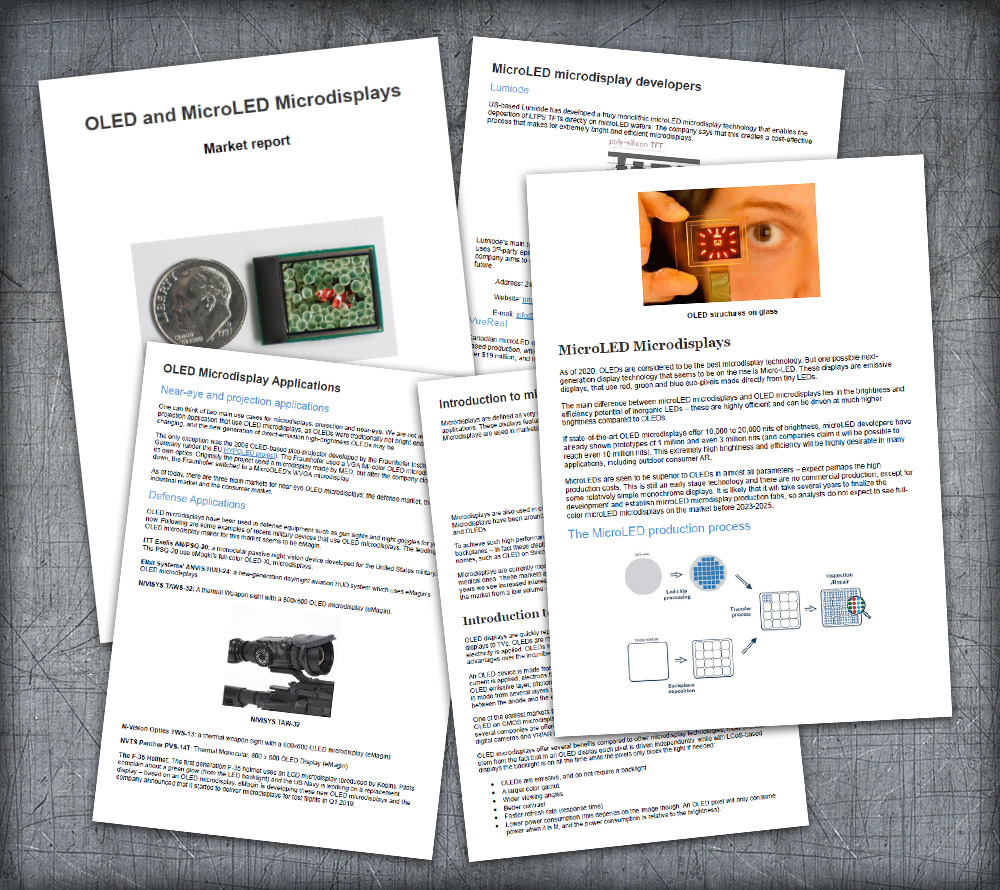
A new edition of our MicroLED and OLED Microdisplay Market Report released today
Today we published a new edition of our MicroLED and OLED Microdisplays Market Report, with all the latest information. The new edition includes more than 12 new updates, new companies, new datasheets and revamped sections on Samsung, LG Display, Sony, Porotech, JBD, MICLEDI, BOE and more.
Reading this report, you'll learn all about:
- The advantages of OLED and MicroLED microdisplays
- The microdisplays that are available on the market today
- Information on all companies involved in this market
- Future technologies and roadmaps
The report package also provides:
- A list of all OLED microdisplays on the market
- A list of all OLED and MicroLED microdisplays makers
- Microdisplays spreadsheet (premium edition)
- Over 25 datasheets, presentations (premium edition)
- Free updates for a year
This microdisplays market report provides a great introduction to MicroLED and OLED microdisplays, and covers everything you need to know about the current status of the market and industry. This is a great guide if you're considering to adopt OLED microdisplays in your product, if you're looking to learn more about next-generation micro-LEDs and if you want to understand this industry better.


JBD finalizes its Series A3 financing round
China-based MicroLED microdisplay developer Jade Bird Display secured its Series A3 financing round, co-led by Eight Roads and Lightspeed China Ventures. JBD raised "several hundred million Yuan", which could mean anything from $30 million USD to $130 million.
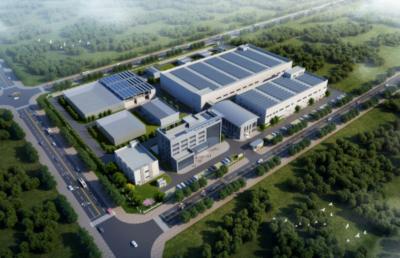
In June 2022 it was reported that JBD is building a $92 million USD display production line in Hefei. The production line will have an annual capacity of around 120 million panels (likely JBD's 0.13" monochrome variant). JBD recently announced that it has developed a new red microLED emitter, that offers up to 500,000 nits of brightness at 2 micron sizes, and also that the company is developing native full-color microLED microdisplays.
Anycubic launches a portable 3D printer based on JBD's microLED UVA display
3D printer producer Anycubic announced a new consumer-grade pocket-sized 3D Printer, that is based on a small UVA microLED display, produced by JBD.
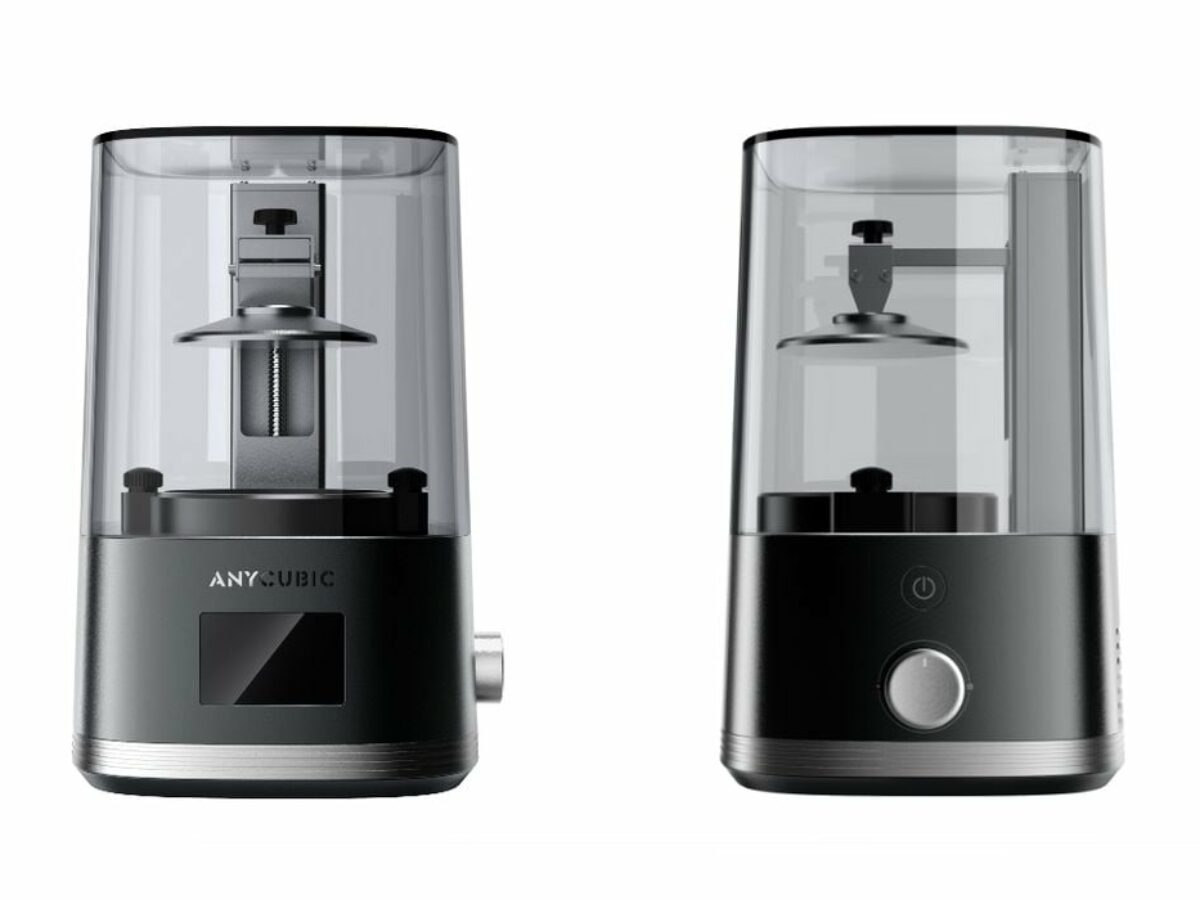
The display is JBD's standard 0.13" VGA display, but one that emits UVA emission. JBD also developed a custom projector for this new application. The extremely small, yet bright, display module, enabled Anycubic to design an extremely small printer (which is about the size of a 550 cl beverage can). The printer will be able to print details as small as 10 µm due to the high pixel density (>6000PPI) of the microLED display. The energy consumption during operation is only 6W.
JBD is developing native full-color microLED microdisplays
China-based MicroLED microdisplay developer Jade Bird Display announced that it is developing a native full-color microLED microdisplay. JBD is working to integrate InGaN and AlInGaP on the same chip, fabricated using conventional thin-film processes.
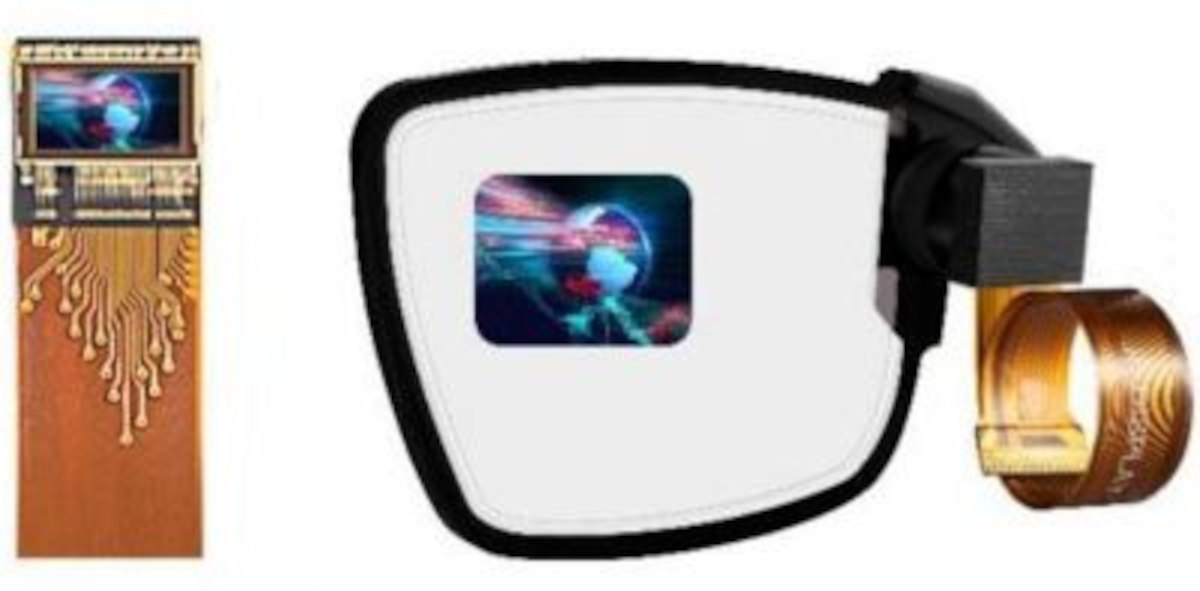
JBD says it developed a proprietary (and patented) technology in which the epitaxy layers were designed to be less susceptibility to edge effects, which helps to increase the display's efficiency. JBD's technology also enables effective mesa sidewall passivation. JBD refers to its technology as monolithic hybrid integration and says it can reach a PPI of up to 10,000 with a pixel pitch of 2.5 um.
JBD developed a commercial 500,000 nits red microLED emitter, says it shipped over 1 million microdisplays to date
China-based MicroLED microdisplay developer Jade Bird Display announced that it has developed a new red microLED emitter, that offers up to 500,000 nits of brightness at 2 micron sizes. JBD is now able to mass produce this new red microLED, and offers it in its 0.13" VGA monochrome red microdisplay.

JBD also updates that it has shipped over 1 million microLED microdisplays to date, which as an extremely impressive number.
JBD is building a $92 million microLED microdisplay fab in Hefei, China
China-based MicroLED microdisplay developer Jade Bird Display is building a 650 million Yuan ($92 million USD) display production line in Hefei, China. The construction of the building is already at a final stage.
It is estimated that JBD will be able to annually produce around 120 million panels in this fab. The company's current main product is a 0.13" VGA panel, so it is likely that JBD is referring to 120 million 0.13" panels.
JBD partners with tooz to develop microLED powered prescription waveguides
JBD announced a partnership with tooz to combine curved waveguide including prescription with a color microLED display engine.
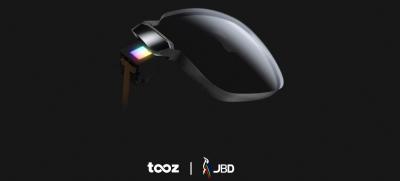
The two companies say that combining these two technologies enable sharp, full-color virtual screens, in a slim and stylish for factor, while fulfilling individual vision correction. The two companies will demonstrate a first prototype next week.
Vuzix launches the microLED-powered Shield AR glasses
Vuzix unveiled the Shield Smart Glasses for enterprise use, which are based on microLED microdisplays. The Shield is powered by Qualcomm's Snapdragon XR1 and features Vuzix' propriety waveguide optics.
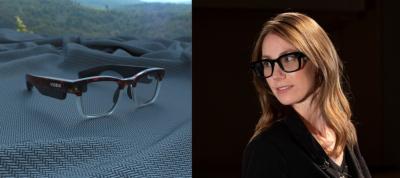
The Shield was actually revealed before, referred to as Vuzix Next Generation Smart Glasses (NGSG). The company did not give any details on pricing and availability. Vuzix is using JBD's 0.13" microLED microdisplays.
Xiaomi announces its first smart glasses with a 0.13-inch MicroLED microdisplay
Xiaomi announced its first smart glasses, called unimaginatively the Xiaomi Smart Glasses. These light-weight (51 grams) glasses will offer a monochrome (green) display and speakers, microphones and a 5MP camera, and will connect to your smartphone for notifications, navigation and will have applications such as real-time translation. It will support Xiaomi's XiaoAI Virtual Assistant.
Xiaomi says the microLED display is 0.13-inch in size, with a peak brightness of 2-million nits. The pixel pitch is 4 um. While not official, this is highly likely to be JBD's 0.13" VGA microLED display panel, revealed last year.
WaveOptics partners with JBD to incorporate microLEDs in its Leopard AR dev kit
Diffrative waveguides for AR developer WaveOptics (owned by Snap) announced a strategic supply partnership with Jade Bird Display (JBD) for MicroLED microdisplays. JBD will supply its 0.13-inch VGA microdisplays to WaveOptics, to be incorporated into the company's Leopard development kit.
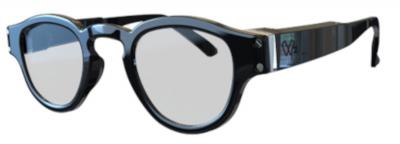
The Leopard AR reference kit has a form-factor similar to traditional consumer eyewear available, with a single projector (right-side only), providing a monochrome (green) image. The Leopard uses WaveOpticsâ âKatanaâ waveguide platform, its thinnest and lightest waveguide at 1.15 mm thick and 7 grams. The light engine, called Loki, is designed by WaveOptics with the JBD microLEDs and weighs 6 grams and has a volume of 760 mm3.